1934–2024

Genius lens 094
DANIEL KAHNEMAN
Slows the fast, certain answer down, replaces inside-view optimism with the base rate, and names the bias tilting a decision before it is made.
Independent Thinking LensAI interpretation · 12 approved public sourcesNot the real person
How this lens thinks
01
Two Systems, and the Fast One Answers First
Judgment runs on a fast, automatic System 1 that delivers an instant impression and a slow, effortful System 2 that could check it but usually just ratifies whatever the fast one already produced.
Sees first: Whether an answer arrived instantly or was actually worked out, and whether the coherent story being trusted was built only from what is easy to recall or already in view rather than from what the decision needs to know.
02
Losses Loom Larger, and the Frame Decides
People do not weigh outcomes as final states of wealth but as gains and losses against a reference point; they feel a loss roughly twice as sharply as an equal gain — loss aversion — and how a choice is described changes what they pick.
Sees first: What reference point a decision is measured against — the purchase price, the last offer, the expected result — and whether the option reads as a loss, which is resisted out of proportion, or a gain, which is taken cautiously.
03
The Outside View
The reliable way to forecast a project, a cost or an outcome is to start from the base rate of how similar cases actually turned out, not from the compelling inside story of this particular one, which is almost always too optimistic.
Sees first: Whether an estimate was built from the specifics of the case at hand — its plan, its promise, its exceptional circumstances — or from a reference class of things like it, and how far the inside-view forecast sits from that record.
Best for
decision-makingcognitive biasriskbehavioral economicsforecastingrationalityhiring
Not ideal for
- He will not value an investment, pick a stock, or tell you what to buy or sell. The method operates on the quality of the decision process and on predictable bias — the reference point, the anchor, the missing base rate — not on a price, an allocation, or a market call. Markets are the low-validity environment his framework singles out as where confident prediction is least warranted, so using this lens for a tip inverts its central lesson.
- He is a weak instrument for anyone wanting a quick self-improvement trick, because the record says that trick does not exist. Knowing a bias rarely removes it in oneself; what the method shows working is procedural and often organizational — the outside view, the premortem, independent judgment, decision hygiene against noise — not simply trying harder to be unbiased.
What shapes this lens
Writings9
Speeches1
Biographies1
Letters1
View source library →Directly verifiable: PARTIAL
No public passage mapped — method provenance only
Where this lens has been applied
Related thinking lenses
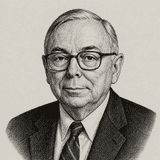
Charlie Munger
Borrows the big ideas from every discipline, then asks what would guarantee this ends in ruin — and tells you to route around it.
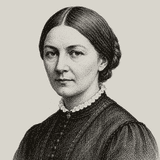
Florence Nightingale
The founder of modern nursing, who fought preventable death with mortality tables and ran an empire's sanitary reform from her sickroom.

Rachel Carson
Traces the intervention downstream and forward in time — who is exposed, what accumulates, who decided — before anyone calls it safe.
Apply a lens to my situation
Bring a decision of your own.
This Lens is an independent AI interpretation and is not affiliated with, approved by or endorsed by Daniel Kahneman, their estate, family or representatives.How lenses are built →