The case for moving is arithmetic and it is not wrong. A duty applies to a component, the duty has a rate, the rate multiplied by the volume is a number, and the number is large. Somebody has done that calculation correctly.
Then the move happens, and eighteen months later the plant's total spend has not fallen by anything like the number.
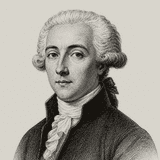
Antoine Lavoisier spent his career on precisely this class of failure, in a field where everyone was arguing about mechanisms and nobody was weighing anything. His discipline was narrow and it settled disputes that argument could not: weigh what goes into the vessel, weigh what comes out, and treat any quantity that fails to appear on one side as the finding rather than as an annoyance to be explained away.
Weigh both sides the same way
The first thing his method does to a relocation case is expose that the two sides of it were produced by different instruments.
The saving is measured. It comes from a tariff schedule, a bill of materials and a shipping volume — all of them recorded, all of them auditable, all of them derived from what actually happened last year.
The cost is estimated. It comes from a project plan built by the people who want the project. And the items in it are of a kind that resist weighing: qualification runs, the scrap rate during ramp, the period when two suppliers are being paid at once because nobody will switch off the old line until the new one holds, the inventory carried against a longer transit, the engineering hours diverted from whatever those engineers were going to do instead, the wage premium in a region where every other firm is hiring the same technicians in the same quarter.
Setting a measured quantity beside an estimated one and calling the difference a saving is not a comparison. It is one number with a wish attached.
The correction is not to estimate harder. It is to insist that both sides be taken the same way — which usually means finding the firm that already moved, and asking what their spend did.
The residue is the finding
The second half of his discipline is the part people skip, because it requires admitting that the account has not closed.
Run the balance eighteen months later. Duty saved on one side; total delivered cost on the other. If the second did not fall by the first, there is a quantity unaccounted for, and the temptation is to write it off as noise, transition, teething.
His position was that the leftover is the result. Something is being paid, somewhere nobody is weighing: expedited freight that goes to a different budget line, overtime absorbed as ordinary, a quality escape that appears eleven months later as warranty, a customer who quietly moved half their volume when lead times went out. Every one of those is findable, and none of them is on the sheet that authorised the move.
Watch out for
The standing weakness of this method is that it treats what cannot be weighed as though it were not there, and then makes exceptions when the theory needs one. Lavoisier's own list of simple substances included light and caloric, neither of which any balance he built could find.
The plant version is exact. A supplier relationship fifteen years old, an engineer who knows why a tolerance is what it is, the value of being three hours from the customer when something goes wrong — none of these weigh anything, so they leave the account, and leaving the account is quickly treated as being worth zero. They are not worth zero. They are worth something nobody has instrumented, and the honest move is to name them in words on the same page rather than pretend the sheet is complete.
There is a second limit worth stating. A closed account tells you a quantity was conserved. It does not tell you what happened, and a correct ledger can sit on a wrong mechanism for years. If your delivered cost came out flat, that is a fact about the total and not an explanation, and you still have to go and look.
And the method presumes an instrument. His precision was bought with income from tax farming, which is to say the approach quietly assumes a well-funded laboratory — here, a finance function that can actually see a plant at the level of a line item. Where that does not exist, this reads as a demand nobody can meet.
Answer this next
Name the one cost of the move that nobody has been asked to put a number against.
Then find out whether it is unmeasured because it is small, or unmeasured because measuring it would change the decision.